Currently delivering exclusively within Delhi NCR
Next-day delivery | Order before 5 PM


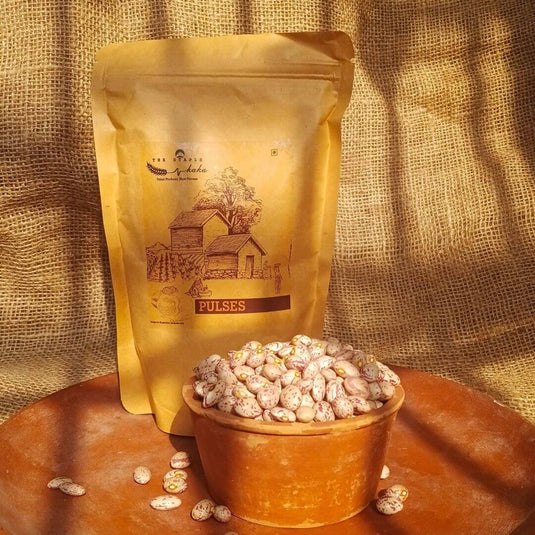
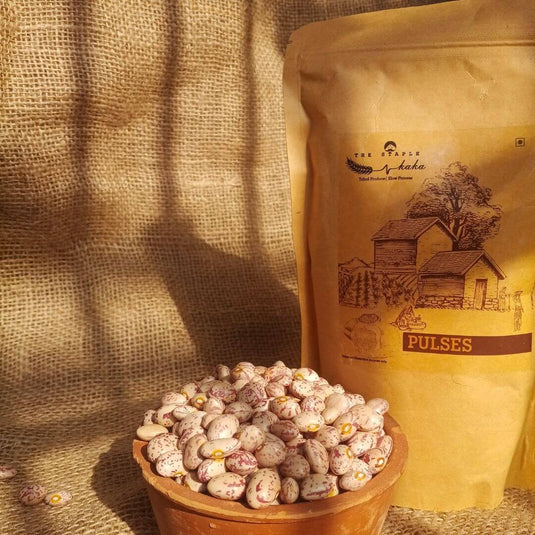
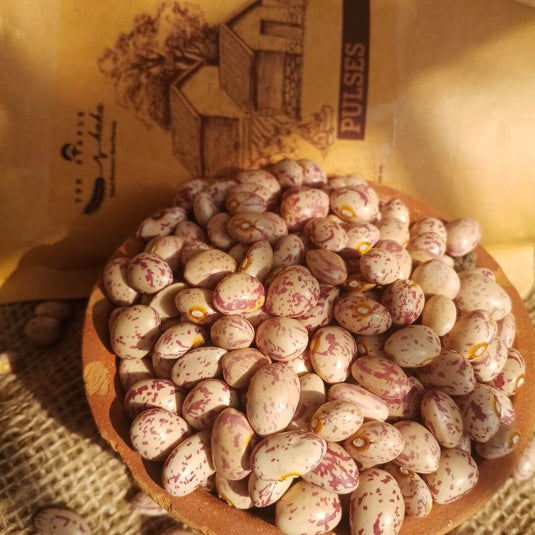
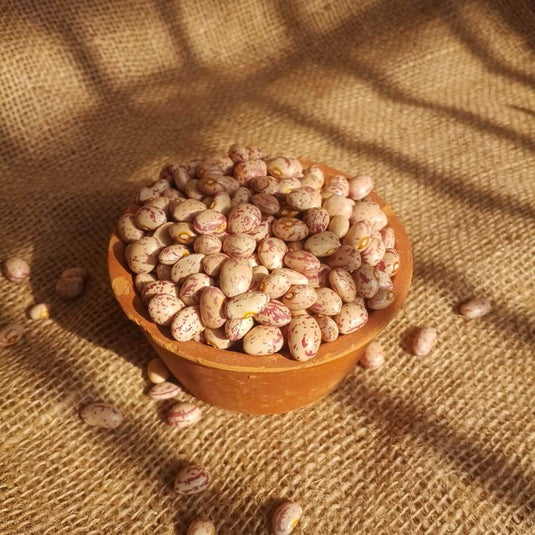
Naga Chitra Rajma - Indigenous Kidney Beans | The Staple Kaka
Rs. 190.00
Rs. 190.00
people are viewing this right now.
89 products sold in last 20 hours.
Couldn't load pickup availability

Naga Chitra Rajma - Indigenous Kidney Beans | The Staple Kaka
The Staple Kaka
Notify me when this is in stock
We will send you a notification as soon as this product is available again.
Free shipping
Reliable support
Estimated delivery: 24 to 48 hrs
Return within 2 days after delivery.
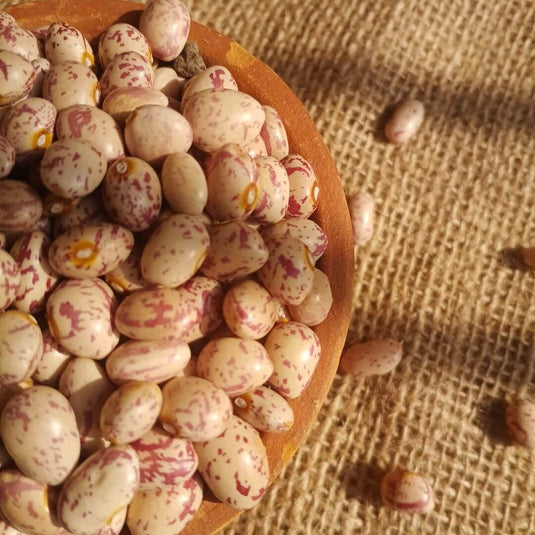
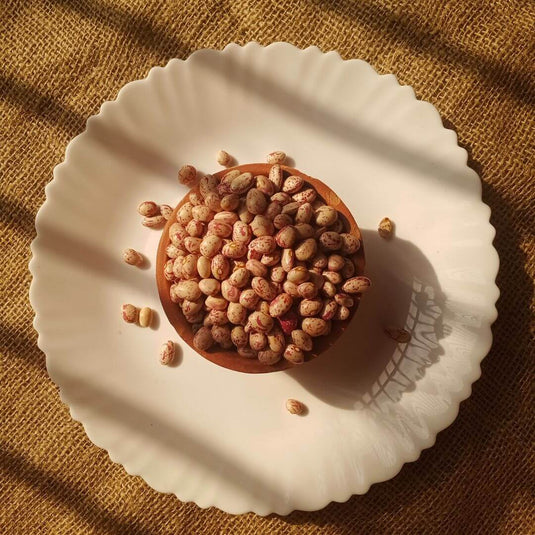
Naga Chitra Rajma is a rare heirloom variety of kidney beans traditionally grown in the hill regions of Nagaland. At The Staple Kaka, we bring you this indigenous treasure ethically sourced from small hill farmers who cultivate it using native seeds and rain-fed farming practices. These distinctive maroon beans with natural streaks are known for their creamy texture, nutty flavor, and ability to cook evenly without turning mushy.
Ideal for slow-cooked rajma curries, stews, and everyday comfort meals, this rajma reflects our commitment to purity, sustainability, and preserving regional food traditions through minimal processing and careful sourcing.
| Name | Naga Chitra Rajma - Indigenous Kidney Beans | The Staple Kaka |
|---|---|
| SKU | |
| Vendor | The Staple Kaka |
| Size | 500 gm, 1 kg |